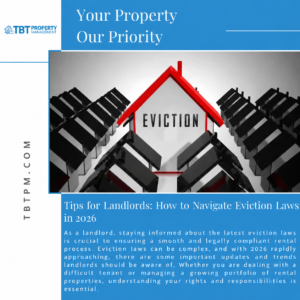
As a landlord in Florida, staying updated on landlord-tenant laws is crucial to ensure compliance and maintain a healthy landlord-tenant relationship. As rental regulations continue to evolve, staying informed about the latest changes is essential for landlords to understand their legal rights, responsibilities, and obligations while maintaining complianceThis blog outlines the key updates in Florida’s landlord-tenant laws and provides practical guidance to avoid legal pitfalls.
Recent Changes in Florida Landlord – Tenant Laws
Florida’s landlord-tenant laws have seen several updates in recent years. Here are some of the most notable changes:
1. Notice Periods for Lease Termination
Recent changes in Florida law have adjusted the notice periods required for lease termination:
- For month-to-month leases, landlords must now provide 30 days’ notice (up from 15 days previously).
- For weekly leases, landlords must provide 7 days’ notice.
2. Rent Increase Rules According to Florida Landlord – Tenant Laws 2026
Landlords are required to provide tenants with adequate advance notice before implementing any rent increase, allowing tenants sufficient time to review and prepare for the updated rental terms. In Florida, a written notice is recommended to give tenants time to prepare for the change. The notice should include the new rent amount and effective date. Landlords should regularly review local housing regulations and requirements to ensure their rental practices remain compliant with any additional rules, registration obligations, or guidelines that may apply in their area
3. Security Deposit Requirements Under Florida Landlord – Tenant Laws 2026
Florida law requires landlords to:
- Return a tenant’s security deposit within 15 days of lease termination if no deductions are made.
- Provide an itemized statement within 30 days if deductions are made. Failing to adhere to these timelines may result in penalties.
4. Florida Landlord-Tenant Laws 2026: Updated Eviction Procedures
Eviction laws in Florida have become stricter in terms of compliance. Common updates include:
- Prior to filing the eviction for non-payment of rent in Florida, the landlord is required to offer a proper 3-day notice for the payment of the outstanding rent or giving up possession of the property. The purpose of the notice is to give the tenant a last chance to sort out the issue of overdue rent payments before filing eviction.
- In certain situations, the time frame for evictions could be impacted if there is proof that the tenants are facing hardships due to unforeseen situations, such as natural calamities, medical emergencies, etc.
5. Habitability Standards and Landlord Responsibilities in Florida 2026
New standards emphasize landlords’ obligations to maintain safe and habitable rental properties. These include:
- Ensuring functional plumbing and electricity.
- Addressing pest infestations promptly.
- Complying with updated hurricane preparedness guidelines in coastal areas.
Key Responsibilities of Landlords Under Florida Landlord – Tenant Laws 2026
1. Written Lease Agreements Required Under Florida Rental Laws
Ensure that your lease agreements clearly outline the terms of tenancy, including:
- Rent amount and due dates.
- Security deposit amount and handling.
- Rules regarding pets, maintenance, and property use.
2. Maintenance Obligations Under Florida Landlord – Tenant Laws 2026
Florida law requires landlords to maintain their properties to ensure they meet local health and safety codes. This includes:
- Timely repairs for damages reported by tenants.
- Maintaining common areas (if applicable).
- Providing access to essential services like water and electricity.
3. Fair Housing Compliance for Florida Landlords
Landlords must comply with the Fair Housing Act to avoid discrimination based on race, color, national origin, religion, sex, familial status, or disability.
4. Tenant Communication Requirements Under Florida Rental Laws
Maintain open communication with tenants. Provide written notices for rent increases, maintenance work, or lease changes to avoid misunderstandings.
Avoiding Legal Pitfalls Under Florida Landlord – Tenant Laws 2026
1. Document Everything to Stay Compliant With Florida Rental Laws
Keep detailed records of:
- Lease agreements.
- Rent payment receipts.
- Maintenance requests and actions taken.
- Notices sent to tenants.
2. Consult Legal Professionals About Florida Landlord – Tenant Laws
Consult a real estate attorney to review your lease agreements and ensure they align with current laws.
3. Stay Updated on Florida Landlord- Tenant Law Changes
4. Conduct Regular Rental Property Inspections in Florida
Conduct regular property inspections to identify maintenance concerns early, prevent costly repairs, and ensure the rental property remains safe, compliant, and well-maintained.
5. Resolve Tenant Disputes Through Proper Communication
Conclusion
Navigating Florida’s landlord-tenant laws can be complex, but staying informed, keeping accurate records, and following proper legal practices can help landlords minimize risks, prevent disputes, and maintain a positive and professional relationship with their tenants may feel challenging, but staying updated, maintaining proper documentation, and following best practices can help landlords avoid legal complications while building a smooth and positive relationship with tenants. By understanding recent legal updates, adhering to your responsibilities, and adopting best practices, you can protect your investment and ensure a smooth rental experience.
For more tailored advice or property management solutions, feel free to contact TBT Property Management. We’re here to help you succeed as a landlord in Florida.